
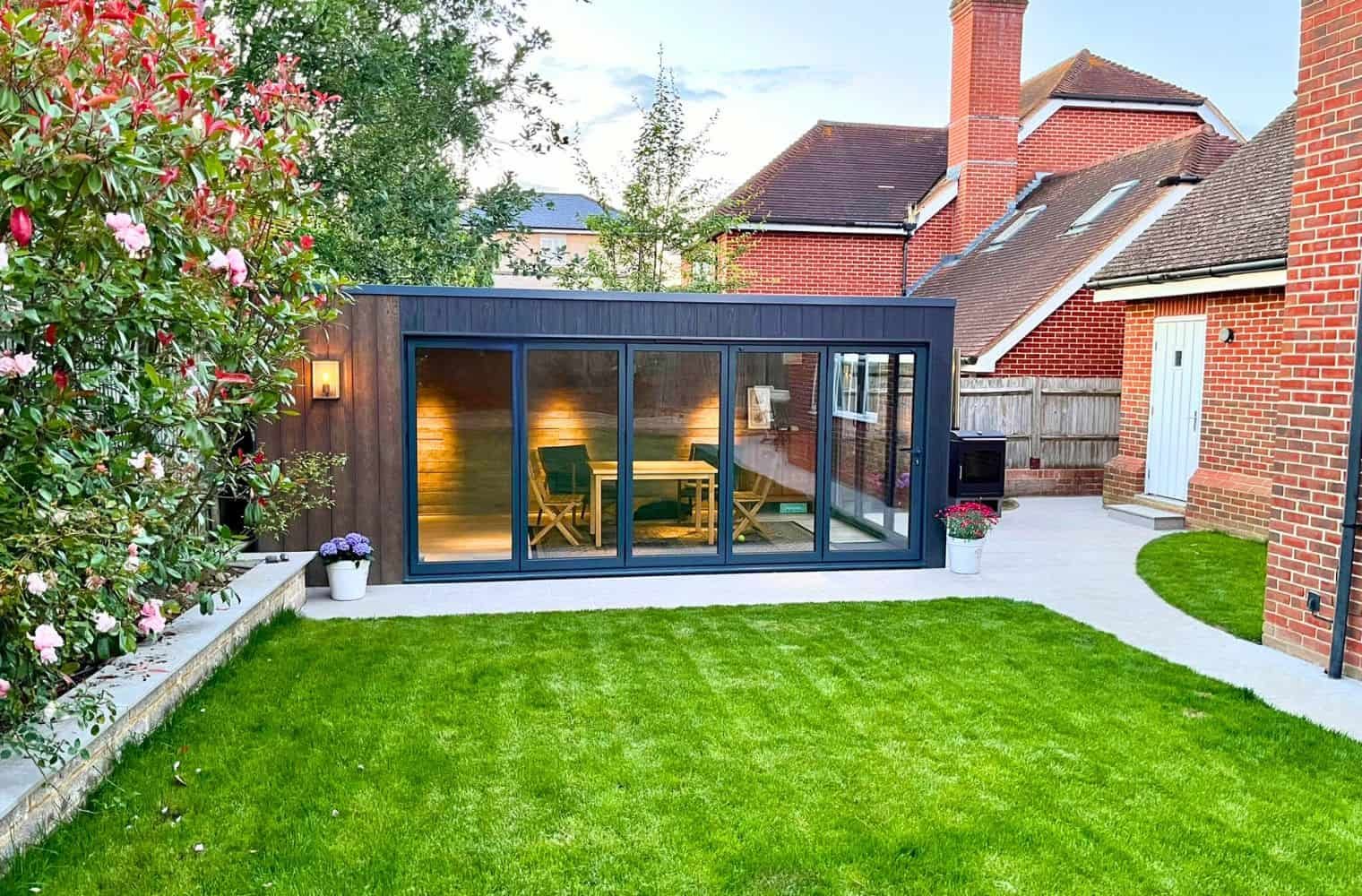
Many people dreaming of a new living space whether it’s a modern family home, a high-end garden office, or a cozy holiday retreat often ask the same question: “Do I need planning permission for a modular home?”
In Ireland, modular homes are becoming a popular, sustainable, and efficient choice. Because they are built off-site, there is a common misconception that they bypass standard planning regulations. However, the reality is a bit more nuanced. In this guide, we’ll clear up the confusion and explain how to navigate the planning process effectively.
How Does Irish Law View Modular Homes?
In the eyes of Irish planning authorities, there is no legal distinction between a “modular home” and a “traditional” home. Whether a structure is built in a factory or on-site, if it is intended for permanent residential use, it is subject to the same planning requirements under the Planning and Development Regulations.
If you are planning to build a primary residence or a standalone living unit, you will typically need to apply for planning permission, just as you would for a brick-and-mortar build.
When Do You Definitely Need Planning Permission?
You should expect to go through the standard planning application process if:
- Permanent Dwelling: The structure is intended to be used as a full-time residential home.
- Size and Height: The structure exceeds the size limitations set for “exempted development.”
- Location: The property is situated in an area with specific architectural conservation restrictions or environmental protections.
The “Exempted Development” Rule: Are There Shortcuts?
Some modular structures—like smaller garden rooms or home offices—may qualify as “Exempted Development.” This means you can build them without formal planning permission, provided they strictly meet certain criteria regarding:
- Total floor area: Usually, there are strict limits on the size of the structure.
- Positioning: It must be located behind the main house.
- Usage: It cannot be used for human habitation (e.g., as a bedroom or a standalone rental unit).
Pro Tip: If you are considering a garden room for an office or a hobby space, it may very well be exempt. However, “rules of thumb” can be risky. Always verify your specific site plan with a professional to avoid future complications.
How to Navigate the Planning Process Smoothly
Planning doesn’t have to be a headache if you approach it systematically:
- Site Assessment: Begin by evaluating your land. Does it have the right access, drainage, and utility connections?
- Professional Design: Ensure your designs comply with the Building Regulations 2010 (Part L) regarding energy efficiency and safety.
- Expert Consultation: Work with a builder who understands local council requirements. At TeachNua, we guide our clients through the documentation and design phases to ensure the application is robust and compliant from day one.
- Submission: Once the designs are ready, submit your application to your local authority. A well-prepared application significantly reduces the chance of delays.
Why Choose Professional Support?
Navigating the Irish planning system requires local expertise. A minor error in site layout or energy compliance documentation can lead to delays or rejections. Our team at TeachNua specializes in modular living, and we take pride in handling the technical details so you can focus on the vision for your space.
Final Thoughts
Modular homes are the future of sustainable, high-quality construction in Ireland. While planning permission is a standard part of the process for permanent homes, it shouldn’t be a barrier to your dream project. With the right design and professional guidance, you can bring your modular vision to life efficiently and legally.
Are you ready to start your modular living journey? Whether you are planning a modern family home or a bespoke garden room, we are here to help. Contact our team at TeachNua today for a consultation.